

When those temperatures rise during these sweltering summer months, many of us rely on air conditioning for our primary source of comfort. But, although these systems provide respite from the heat, they can also come with significant energy costs and environmental impacts. Welcome to the era of eco-friendly air conditioning, where technology meets sustainability, allowing us to cool our homes without compromising our commitment to the planet.
In this article, we will explore various aspects of eco-friendly air conditioning, from choosing the right system for your home to understanding maintenance tips that ensure efficiency and longevity. We will examine energy-efficient solutions, indoor air quality improvements, and the latest advancements such as smart thermostats. Join us as we navigate the world of sustainable cooling options, offering practical advice and insights to help you stay comfortable and being kind to the environment.
Selecting the Appropriate Air Conditioning System
As you think about selecting an air conditioning system for your home, it is crucial to think about the size of your space. important site that is not big enough will have trouble to cool your home effectively, resulting in increased energy consumption and wear on the unit. On the other hand, an oversized unit can cool the space too quickly without effectively removing humidity, causing a less comfortable environment. A proper calculation of the cooling load, often measured in BTUs, will assist you select the right size for your specific needs.
Another important factor to consider is the type of air conditioning system that is most suitable for your lifestyle and home design. Central air conditioning systems provide uniform cooling throughout larger homes, while window and portable units can be better suited for smaller spaces or apartments. Convenience of installation and maintenance should also influence your decision, as some systems require professional installation and regular servicing, while others might be easier to use for DIY enthusiasts.
Finally, think about the energy efficiency of the air conditioning options available to you. Look for units with elevated SEER ratings, as these are designed to use fewer energy while still providing efficient cooling. Investing in energy-efficient models can lead to considerable savings on your electricity bills, while also minimizing your environmental impact. Additionally, consider smart thermostats and advanced technologies that can improve your air conditioner's efficiency and control, ensuring you keep your cool while being eco-friendly.
Air Conditioning Servicing and Efficiency
Adequate care of your AC unit is crucial for guaranteeing optimal performance and efficiency in energy consumption. Frequently cleaning or replacing air filters can significantly improve airflow and reduce strain on the system. Clogged filters hinder the system's capability to distribute cool air, leading in increased energy consumption and greater utility costs. Additionally, washing the condenser coils and ensuring that the outdoor unit is free from debris can enhance efficiency and extend the lifespan of the system.
Another important aspect of maintenance is arranging regular professional inspections. During these visits, technicians can identify potential issues before they turn into significant complications. They will examine refrigerant levels, review electrical components, and assess coolant leaks, all of which are key for maintaining the unit’s performance. Property owners should also familiarize themselves with the annual air conditioning inspections to ensure all necessary checks and services are conducted, especially before the heat of summer.
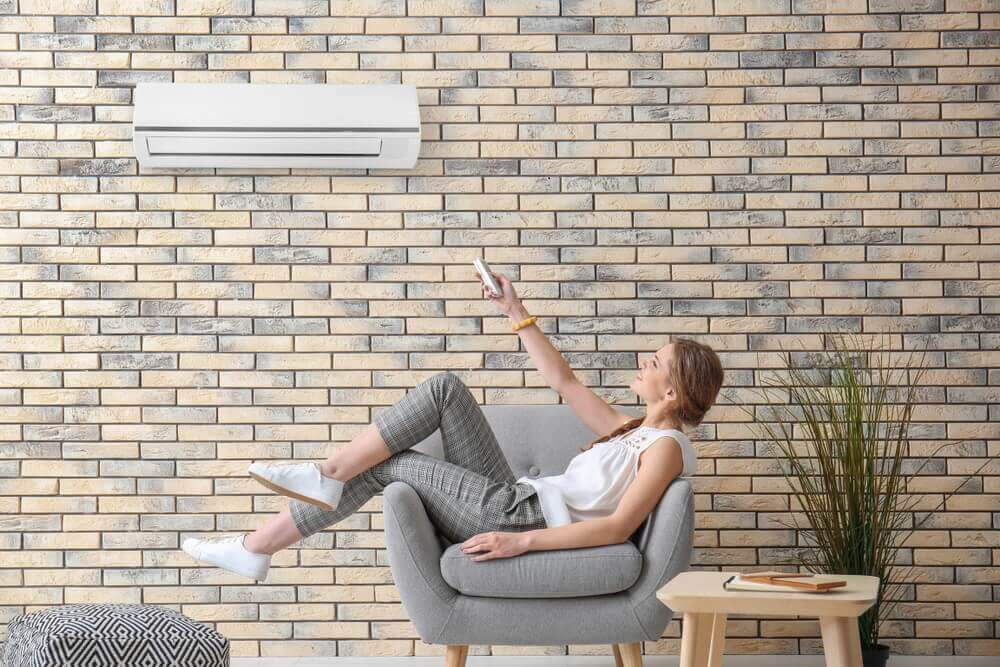
Finally, property owners can improve air conditioning efficiency by investing in smart thermostats. These devices facilitate better temperature management and can adapt to your cooling patterns, adjusting themselves accordingly. By optimizing cooling schedules and utilizing features like geo-fencing, smart thermostats help lower energy usage while maintaining comfort. This mixture of regular maintenance, expert evaluations, and smart features can significantly enhance your air conditioner’s efficiency and dependability.
Indicators and Fixes for Air Conditioning Concerns
Identifying the indicators that your air conditioning system needs attention is crucial for maintaining a comfortable living environment. Common cues include inadequate cooling, unusual noises, or an increase in humidity levels indoors. If your air conditioner is producing warm air or has a nasty odor, these are red flags that should not be ignored. Regular checking can allow you to detect these problems early, preventing additional harm and expensive fixes.
When you see these signs, it’s critical to take the necessary steps to address the problems. Begin by checking the air filters, as dirty filters can block airflow and reduce efficiency. If that doesn’t solve the issue, examine the thermostat settings and verify they are correct. For advanced problems, such as refrigerant leaks or compressor failures, it’s best to consult a professional technician who can determine and fix the issue safely and effectively.
Regular maintenance can greatly reduce the risk of these air conditioning problems arising. Develop a seasonal checklist to guarantee tasks such as cleaning coils, examining ductwork for leaks, and assessing electrical components are carried out. By taking initiative and addressing minor issues before they escalate, you can maintain your air conditioning system running effectively for an extended period.